
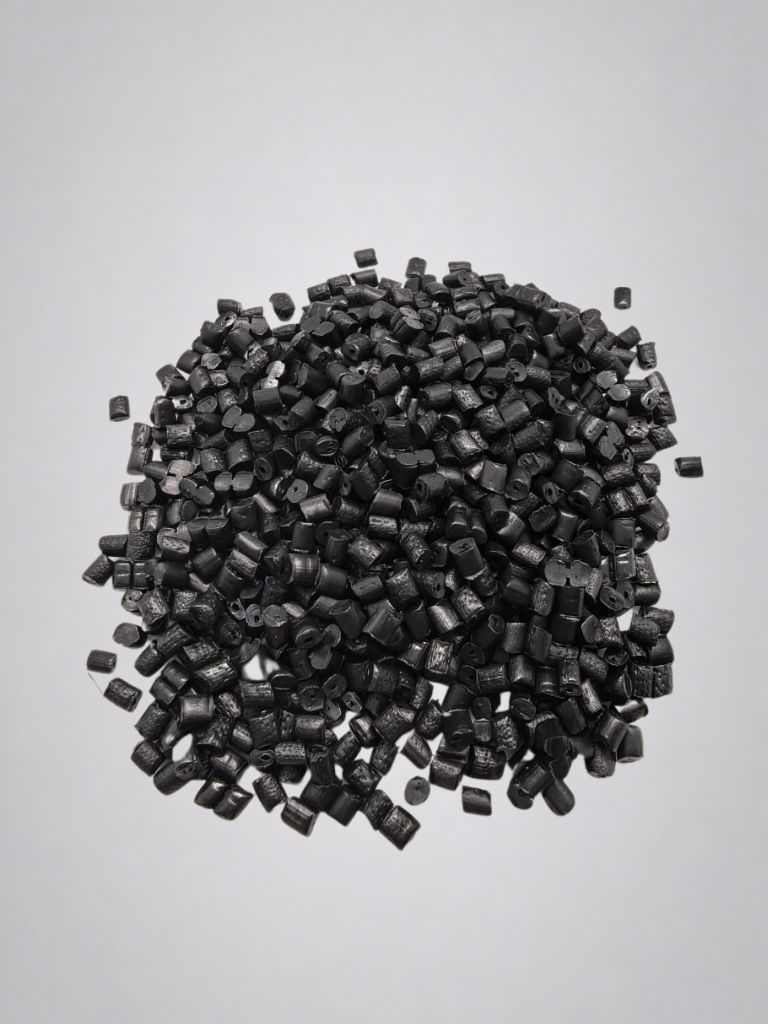
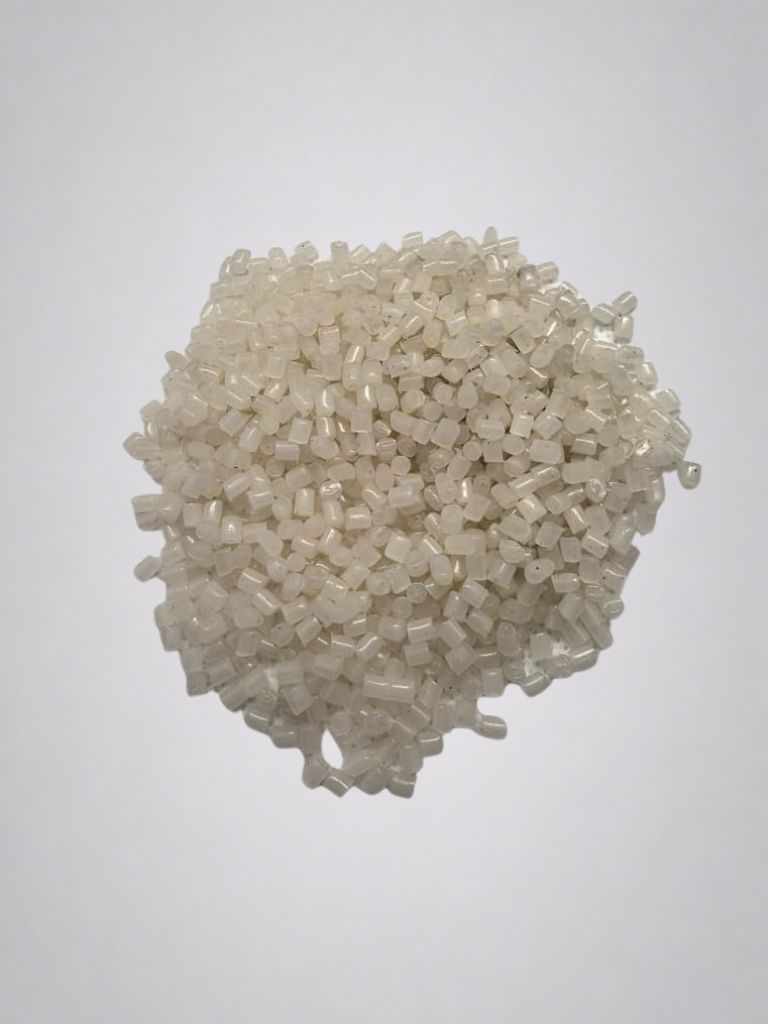
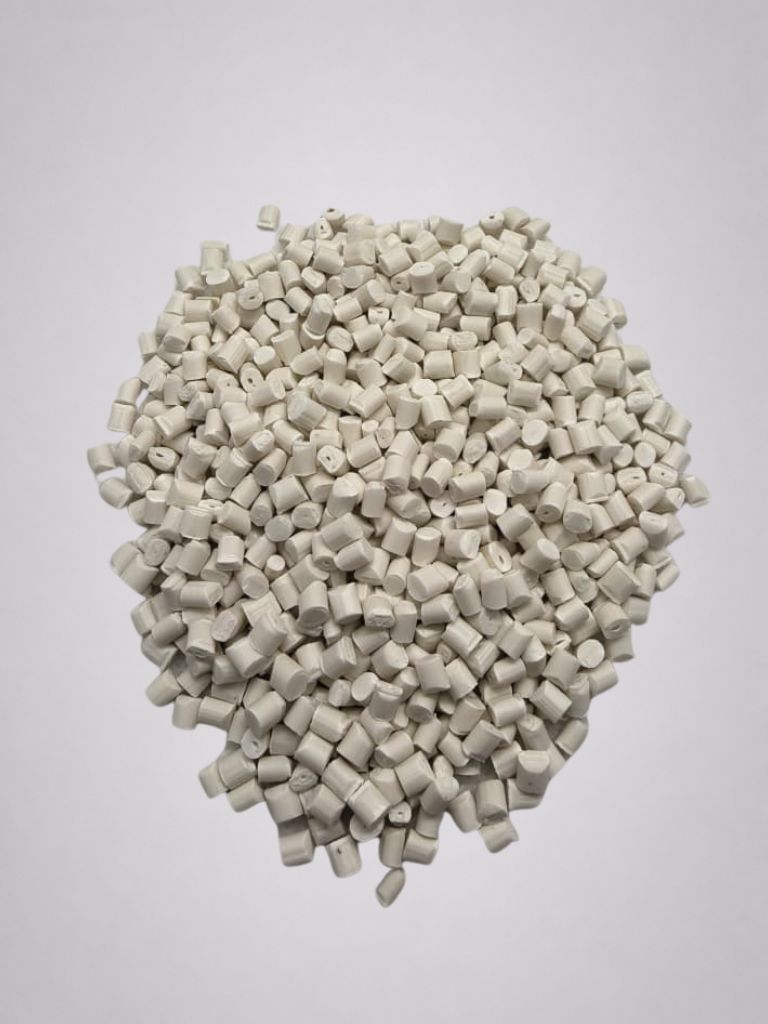
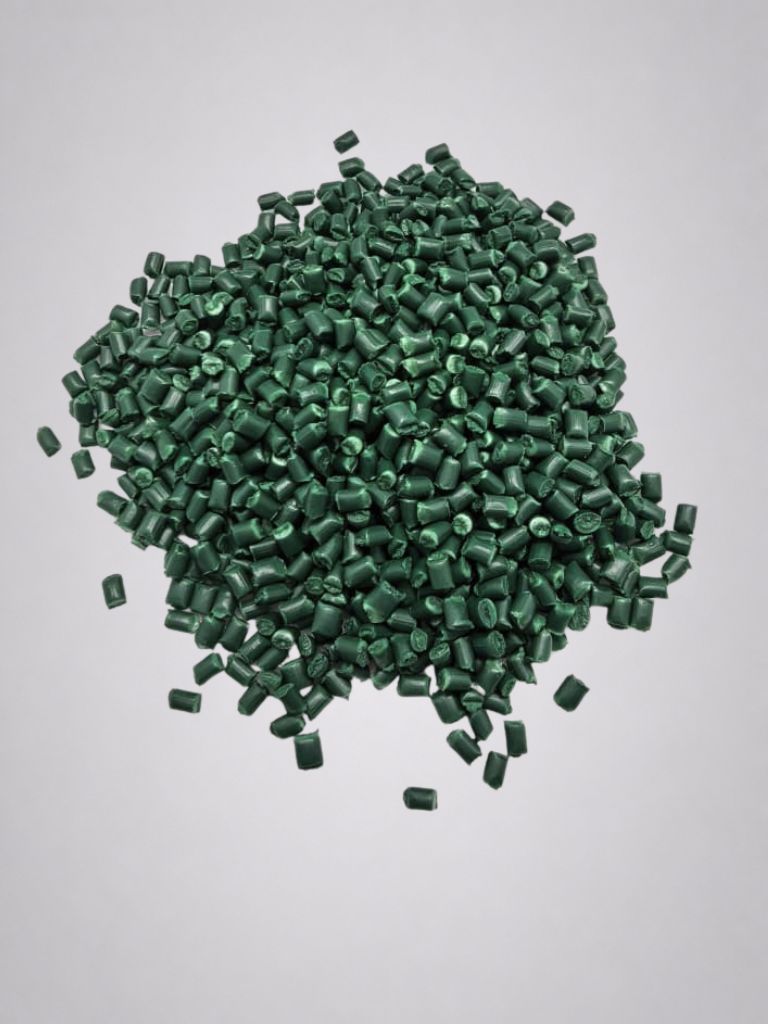
Recycled Plastic is the Affordability Solution Hiding in Plain Sight
Recycled plastic, long treated as the greener but costlier alternative to virgin plastic, is being redefined by war, oil volatility, supply-chain pressure, tariffs, regulation, and new verification technology. What was once framed mostly as an environmental choice is now becoming something far more urgent: an economic solution.
That is the new reality behind the “Age of Parity” – the moment when recycled plastic and virgin plastic begin converging in cost, and when certified recycling becomes not just good for the planet, but essential to preserving the price structure of modern life.
Plastic is not a side issue in the global economy. It is the material foundation of everyday affordability. It protects food, preserves medicine, ships goods, supports electronics, enables cars, powers packaging, reduces weight, lowers transportation costs, and helps make countless consumer products cheaper and more accessible.For decades, that system depended on one basic assumption: virgin plastic would remain cheap, abundant, and predictable.
That assumption is now breaking.
The war in Iran, instability across oil and petrochemical markets, and pressure on global supply chains are exposing how vulnerable the plastic economy has become. Virgin plastic is structurally tied to oil and gas. When energy markets spike, virgin plastic reprices with them. Feedstock, processing, shipping, and supply-chain risk all move together.
Recycled plastic is different.
Its costs are driven more by collection, sorting, cleaning, processing, logistics, and certification. Those costs have historically made recycled plastic more expensive than virgin material. But as virgin plastic becomes more volatile and expensive, and as verification technology reduces the uncertainty around recycled content, the old economics are changing.